
Nutritional Heritage
The foundation of male vigor in folk traditions has always been rooted in the kitchen and the garden—a legacy of dense, natural, and seasonal nourishment.
Location: Seville, Spain
Context: Ancestral Vitality
Focus: Natural Vigor
The Mediterranean Foundation
At Bienestar Macho, we analyze the historical diets of the Mediterranean and beyond to understand the raw materials that fueled the endurance of the past.
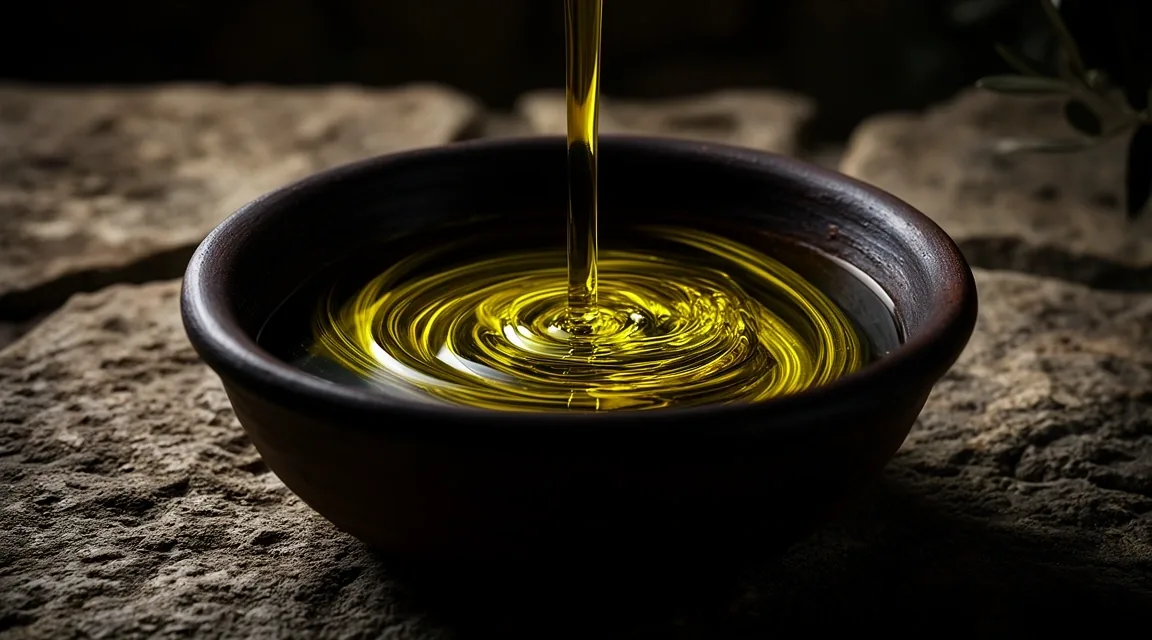
The Golden Standard: Olive Oil
In Seville, olive oil is not just an ingredient; it is a lifeblood. Historically, high-quality extra virgin olive oil was consumed in significant quantities by men engaged in demanding physical labor. This was not merely a culinary choice but a strategic one.
We explore how this specific fa source was used as a direct energy tonic, providing a slow-burning fuel that supported resilience throughout long Mediterranean days. The folk traditions suggest that a morning tablespoon of pure oil was the secret to maintaining internal balance and sustained physical output.
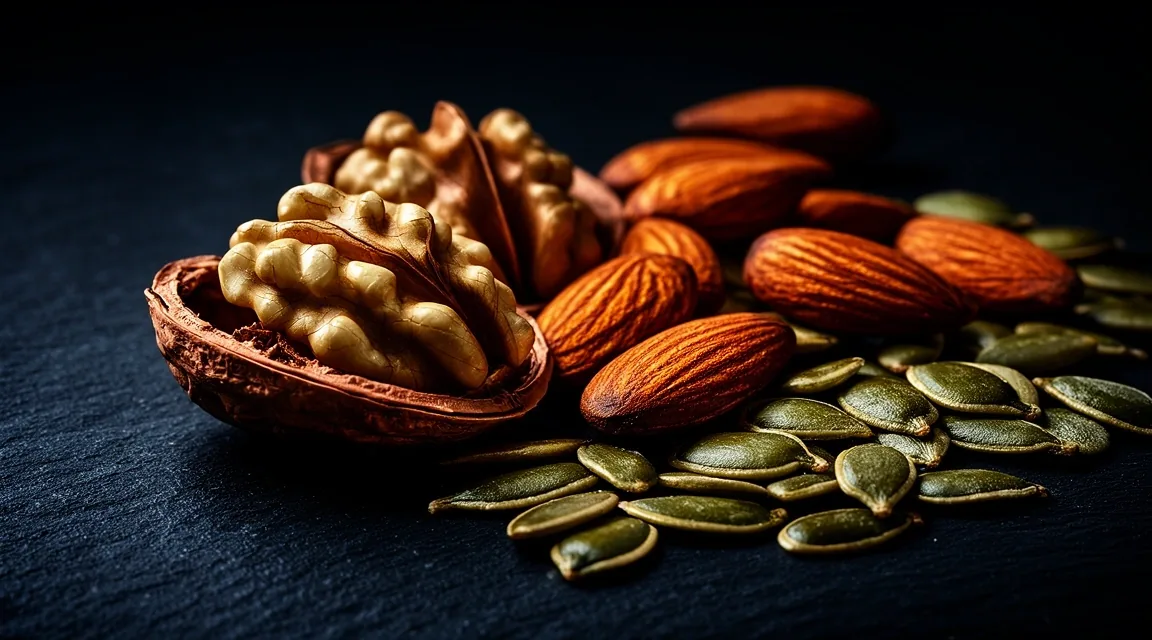
Seeds and Nuts for Sustained Energy
Walnuts, almonds, and pumpkin seeds appear repeatedly in the folk traditions of Europe and North Africa as essential snacks for men. These portable sources of energy were valued for their ability to maintain stamina during travel or rigorous seasonal work.
Traditional preparation methods involved soaking or roasting to maximize their nutritional availability. These practices, passed down through generations, ensured that the vital minerals and fats within the seeds were easily utilized by the body, providing a steady stream of power without the crashes associated with modern snacks.
Wild Greens and Bitter Herbs
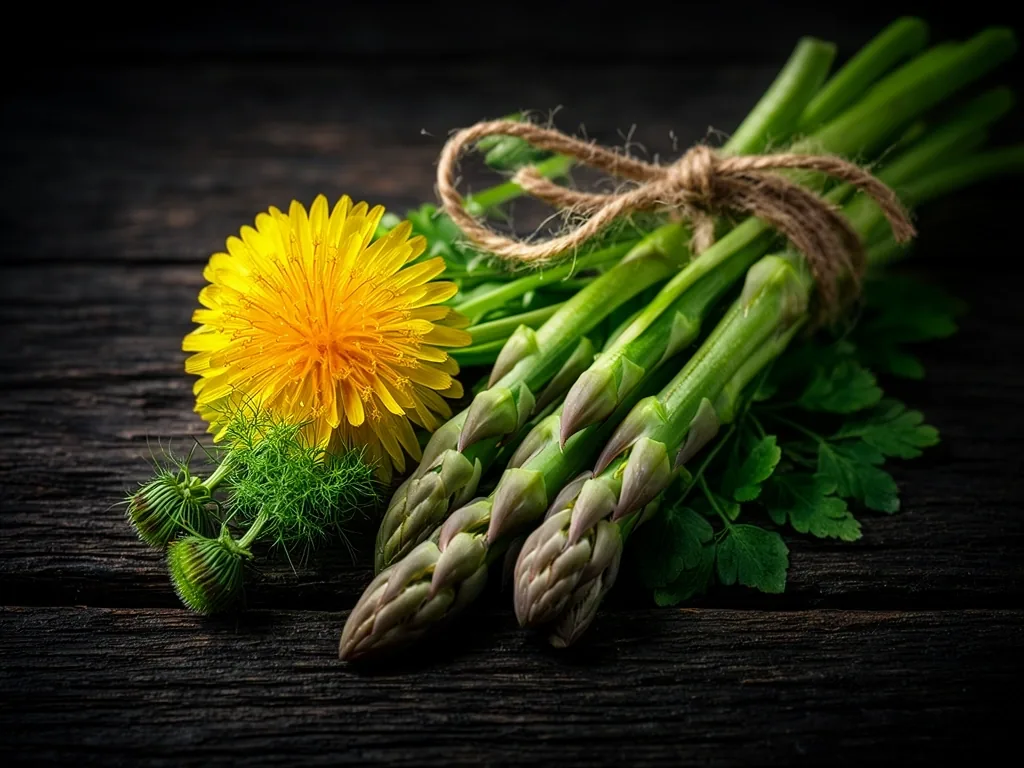
Before the advent of industrial farming, the male diet was rich in foraged greens. Folk wisdom suggests these were vital for "cleansing" the internal environment to support high vigor.
Dandelion, chicory, and wild asparagus were sought after for their bitter properties. These ingredients were traditionally used to prepare the body for the changing seasons, ensuring the internal systems remained efficient and responsive. The bitterness was considered a signal of potency, a natural trigger for the digestive and metabolic processes necessary for male resilience.
The Tradition of Fermentation
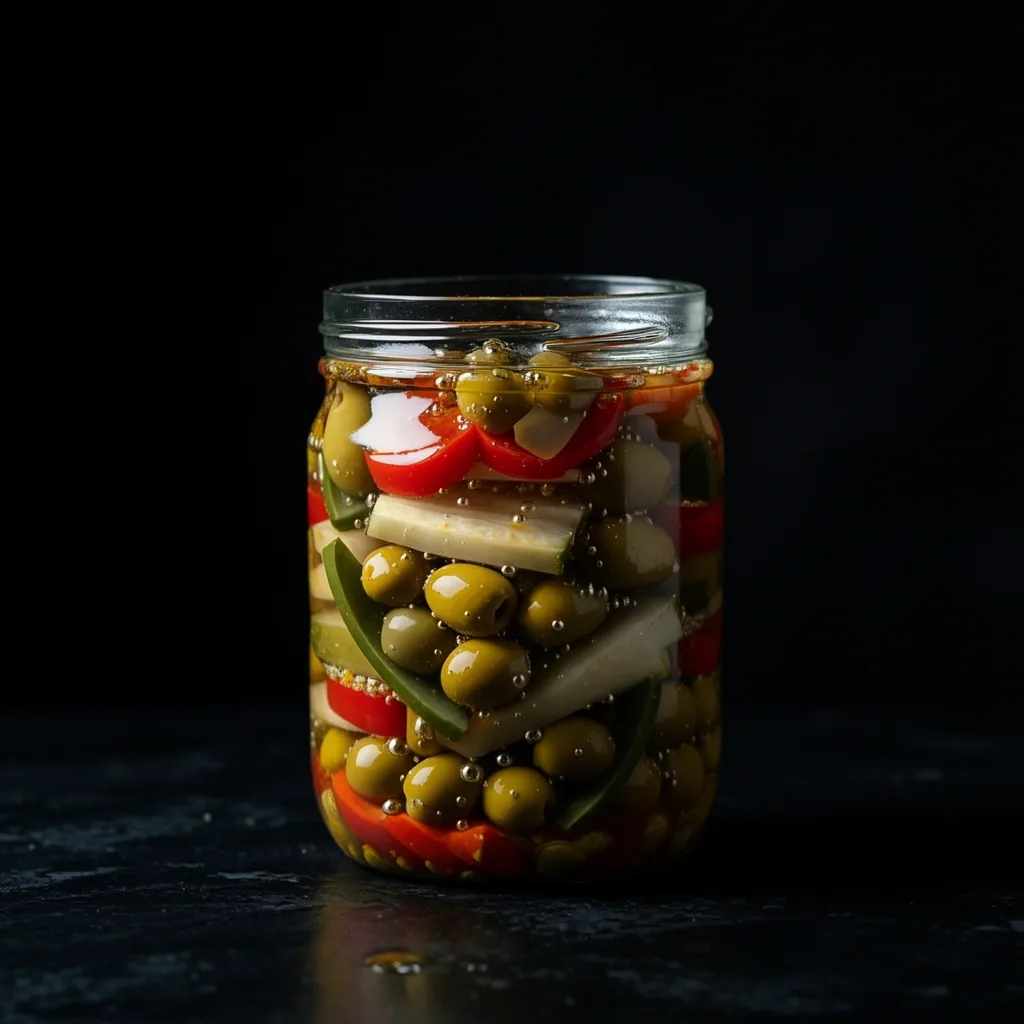
From the cured olives of Spain to the fermented dairy of the Balkans, traditional diets included living foods. These items were essential to support digestive health—the seat of all male strength in folk practice.
Legumes: The Poor Man's Meat
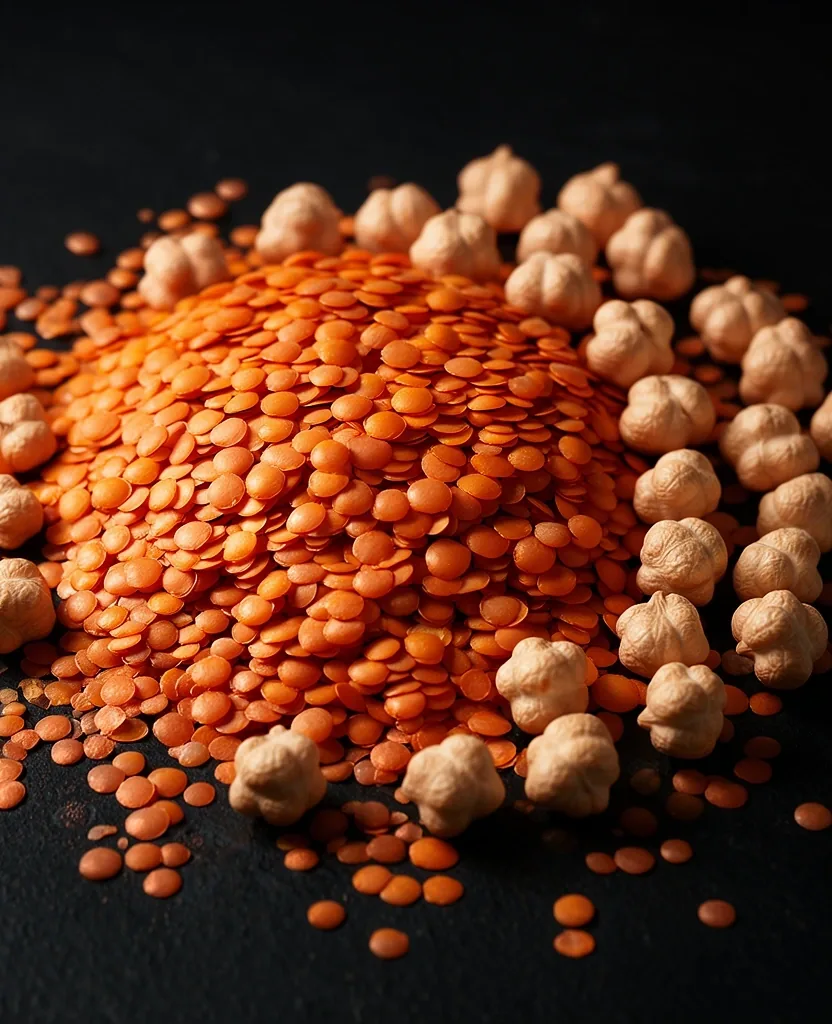
Beans, lentils, and chickpeas provided the protein foundation for the laboring classes. In the Iberian Peninsula, these were slow-cooked with garlic and spices to create hearty meals that sustained men through winter harvests.
- Slow-Cooked Resilience
- Mineral Density
- Sustainable Power
Natural Sweeteners
Refined sugar had no place in the ancestral diet. Instead, honey and dried fruits like figs and dates were used sparingly. We explore the history of honey as a functional food, providing a natural boost before demanding physical tasks.
Folk Preparation
"Combine raw honey with crushed walnuts to create a concentrated energy paste used by shepherds during high-altitude migrations."
The Role of Garlic and Onions
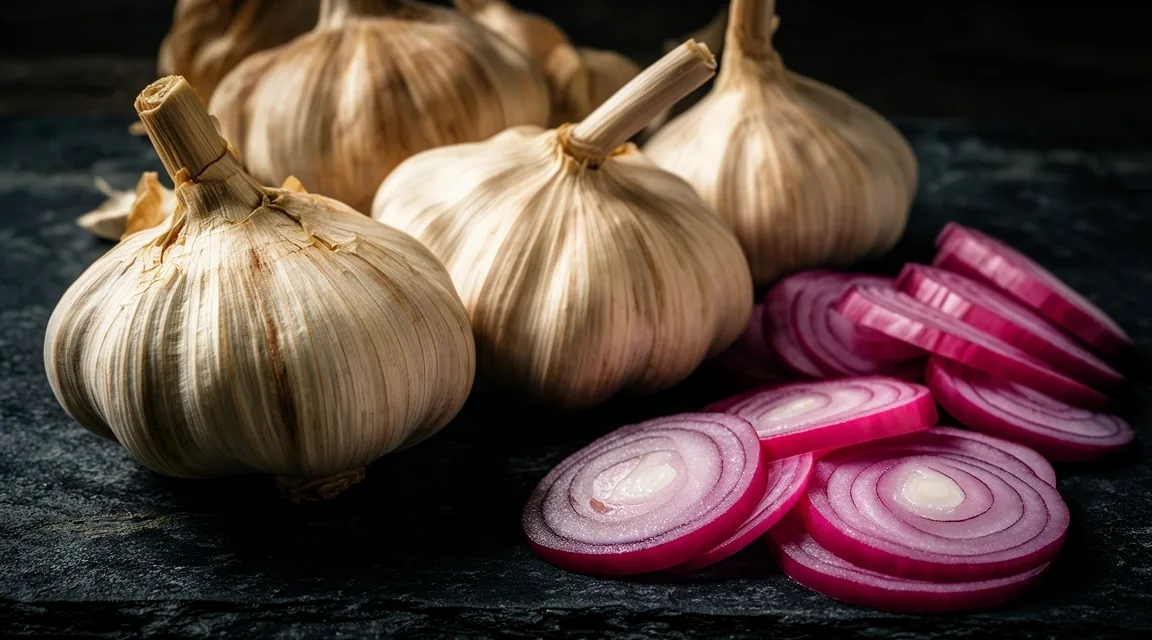
In Seville, garlic is revered. Often consumed raw or rubbed on toasted bread, it was used to ward off fatigue and support the cardiovascular system naturally. These pungent bulbs were integrated into the daily routine of the traditional male as a primary defense for his wellbeing.
Hydration Through Food
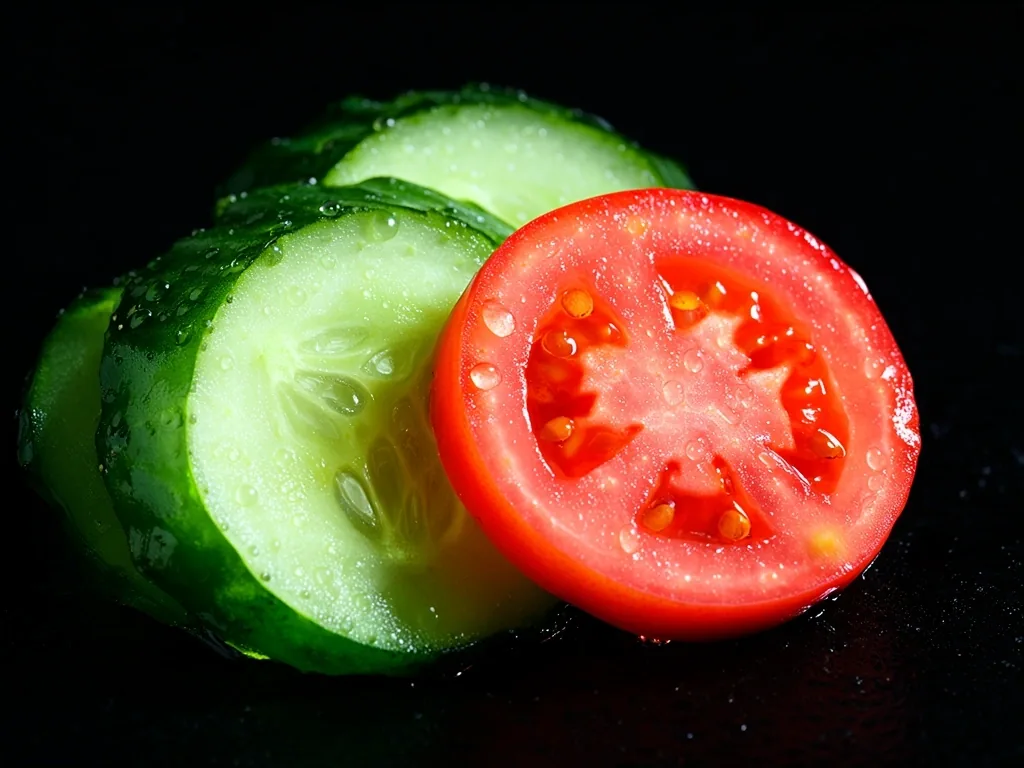
Traditional nutrition recognizes that we "eat" our water. Fresh cucumbers, tomatoes, and melons provided essential minerals and hydration during the scorching Spanish summers.
Maintaining the body's fluid balance is critical for preventing the lethargy that comes with dehydration. Folk wisdom emphasizes seasonal produce over simple water consumption to ensure the body retains the vital salts necessary for physical endurance.
Comparing Heritage & Modernity
A shift in nutritional philosophy
The Ancestral Approach
- Focus on seasonal, whole ingredients that retain their biological complexity.
- Use of natural fermentation to support the body's primary power centers.
- Sustained energy through slow-burning fats and complex plant fibers.
The Modern Shift
- Reliance on refined sugars and processed additives that cause energy volatility.
- Loss of bitter and foraged greens, leading to internal stagnation.
- Inadequate hydration through moisture-poor, factory-stable foods.