
Daily Rhythms & Traditional Stamina
Vigor is the deliberate result of repetition.
The men who came before us did not look for modern shortcuts; they relied on a series of daily habits that prioritized movement, environment, and rest. Robust constitution was not something bought, but something forged through a consistent interaction with the natural world. This collection outlines the ancestral routines that have been identified across various cultures as the primary drivers of male stamina and long-term vitality.
In an era of artificial light and sedentary existence, reclaiming these rhythms is more than a lifestyle choice—it is a restoration of the original masculine blueprint.
Rising with the Sun
Circadian rhythms are at the heart of folk wellness. Traditional male routines almost always began at dawn, aligning the body's internal clock with the natural light cycle. This practice was believed to balance internal energy and ensure a productive start to the day. By engaging with the world at its earliest hour, we synchronize our internal hormones with the external environment.
Historical accounts from agricultural and nomadic societies emphasize the "first light" as a period of mental clarity. This early morning engagement fosters a psychological resilience that modern artificial schedules often disrupt.


The Power of Cold Exposure
From mountain streams to the morning dew, traditional routines often involved contact with cold water. Whether through a quick plunge or a wash with cool spring water, this practice was used to awaken the nervous system and build long-term stamina.
Functional Labor vs Modern Exercise
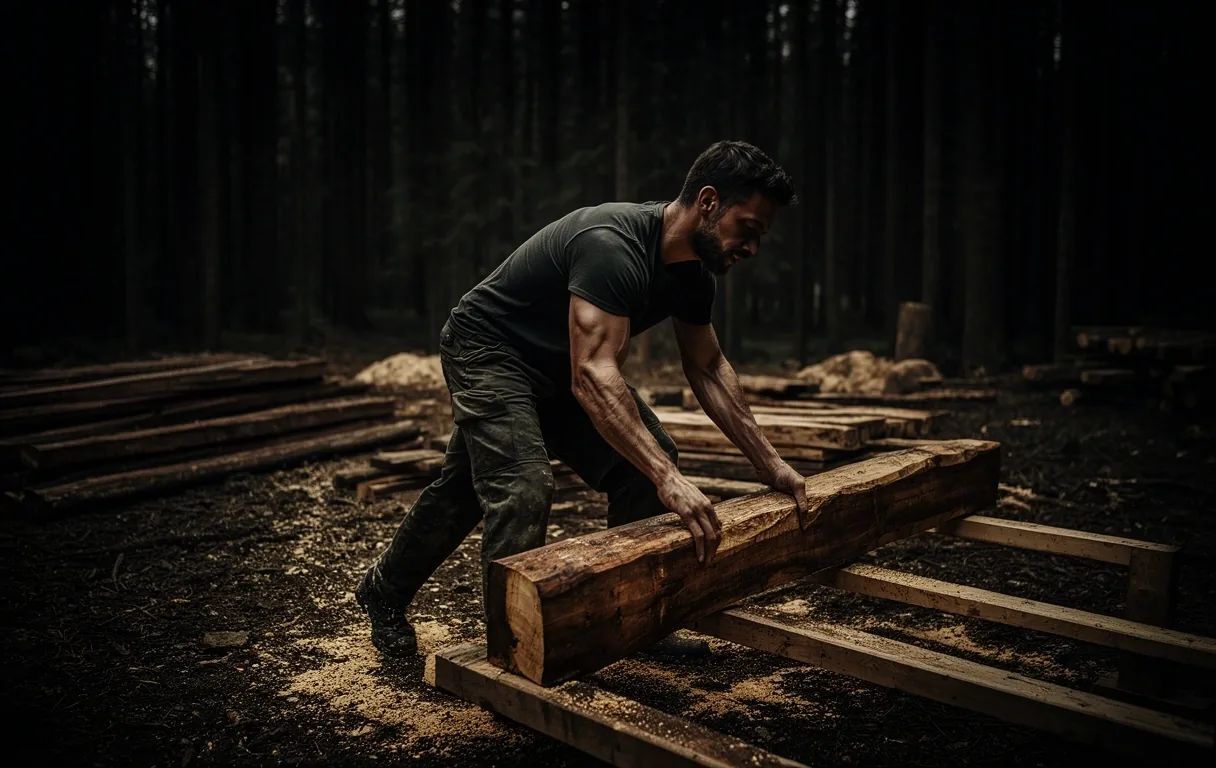
Ancestral routines were characterized by a concept known as "greasing the groove"—constant, low-to-moderate intensity movement throughout the day. Instead of sitting for eight hours and then sprinting for one, the traditional man was always in motion. We look at how tasks like woodcutting, gardening, and walking long distances formed the backbone of a robust physique.
This rhythmic exertion prevented the stagnation of energy. In Mediterranean and Alpine traditions, movement was integrated into survival. Carrying water, tending to masonry, and navigating steep terrain created a natural resistance that balanced the body without the need for artificial machines.
- A. Persistent low-intensity locomotion (Walking 10km+ daily).
- B. Variable resistance through manual masonry and timber work.
- C. Explosive bursts during seasonal harvests or community construction.
The Afternoon Reset
In Mediterranean cultures, the midday period was a time for withdrawal from the sun and active labor. This was not a sign of laziness but a calculated routine to preserve vigor for the evening. We analyze how a structured break in the middle of the day improves overall daily output and mental clarity, allowing the constitution to recover from the morning’s peak heat.
Evening Wind-Down
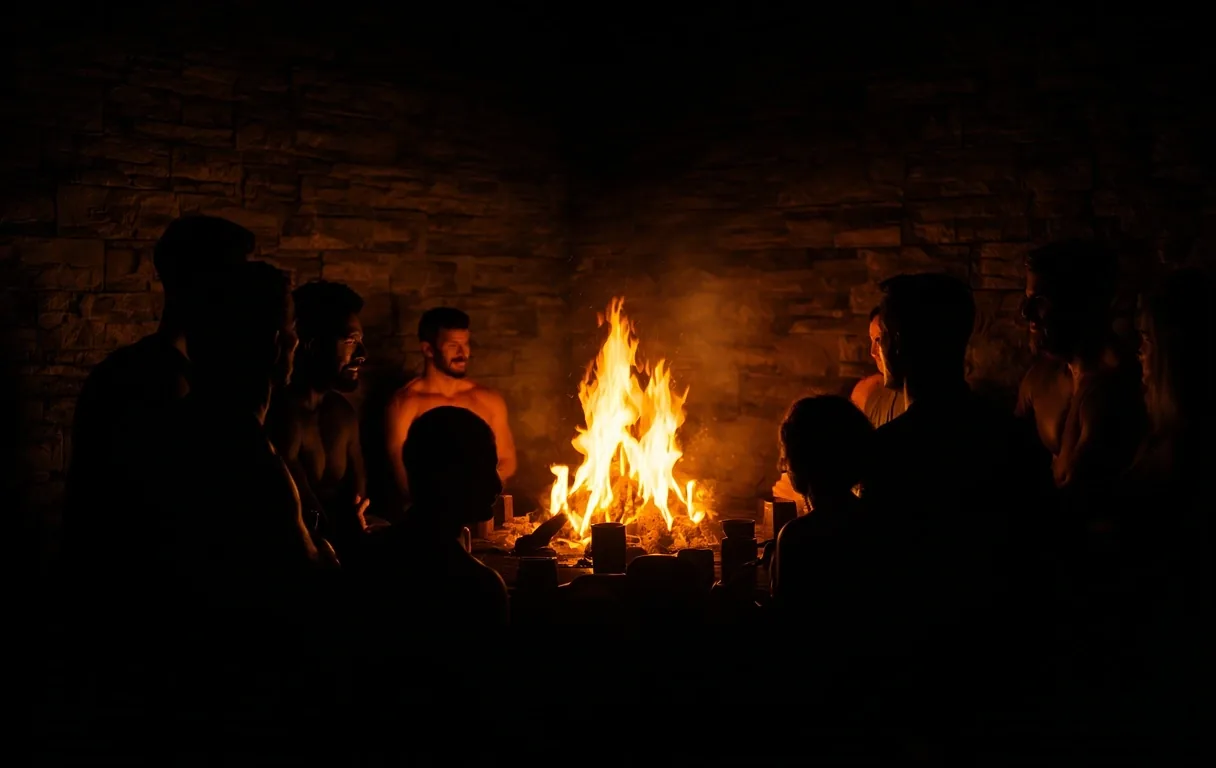
The end of the day in traditional societies was marked by social interaction and the sharing of a meal. This routine helped to lower stress levels and prepare the body for restful sleep. We emphasize the importance of disconnecting from work-related stress and re-engaging with the community unit as a fundamental pillar of male well-being.
The Living Framework
Adapting the skeletal frame and the calendar to match ancestral blueprints.
Natural Posture and Sitting Habits
The modern chair is a relatively new invention in the history of man. Traditional routines involved squatting, kneeling, or sitting on the ground, which maintained hip mobility and spinal alignment. We examine how reintroducing these natural postures into the daily routine can prevent the stiffness and energy blockages common in the modern sedentary professional.
Seasonal Activity Adjustments
Traditional routines were never static; they shifted with the seasons. In winter, activities were focused on conservation and indoor crafts, while summer demanded early starts and late finishes. We discuss the importance of adjusting one's activity levels to match the natural environment, rather than forcing a uniform schedule year-round.
The Practice of Deep Breathing
While not always formalized as meditative practice, many traditional labors required rhythmic breathing—whether rowing, scything, or walking. These repetitive tasks acted as a natural form of breathwork, keeping the blood oxygenated and the mind calm under pressure. This internal rhythm is the core of sustained vigor.
Adopt a Traditional Routine
Sevilla HQ
Calle de Sierpes, 33
41004 Sevilla, Spain
Contact
[email protected]
+34 955 89 88 19
Availability
Mon-Fri: 09:00-18:00
Traditional Rhythms