
Global Folk Traditions and Male Heritage
Exploration of ancestral vigor through the lens of cultural history and botanical wisdom.
While Bienestar Macho is rooted in Seville, the quest for male vigor is a universal human story. Across every continent, cultures have developed unique methods for maintaining the strength and vitality of their men.
Throughout history, the measure of a man was often tied to his ability to endure, provide, and protect. This necessitated a deep relationship with the natural world—a living library of roots, rhythms, and rituals. This section explores the diversity of these folk traditions, highlighting the common threads that link the men of the past regardless of geography.
By examining these ancient blueprints, we find that the modern challenges to male vitality are not entirely new; they are simply the latest iteration of a struggle our ancestors mastered using the simple, grounded tools of their environment.
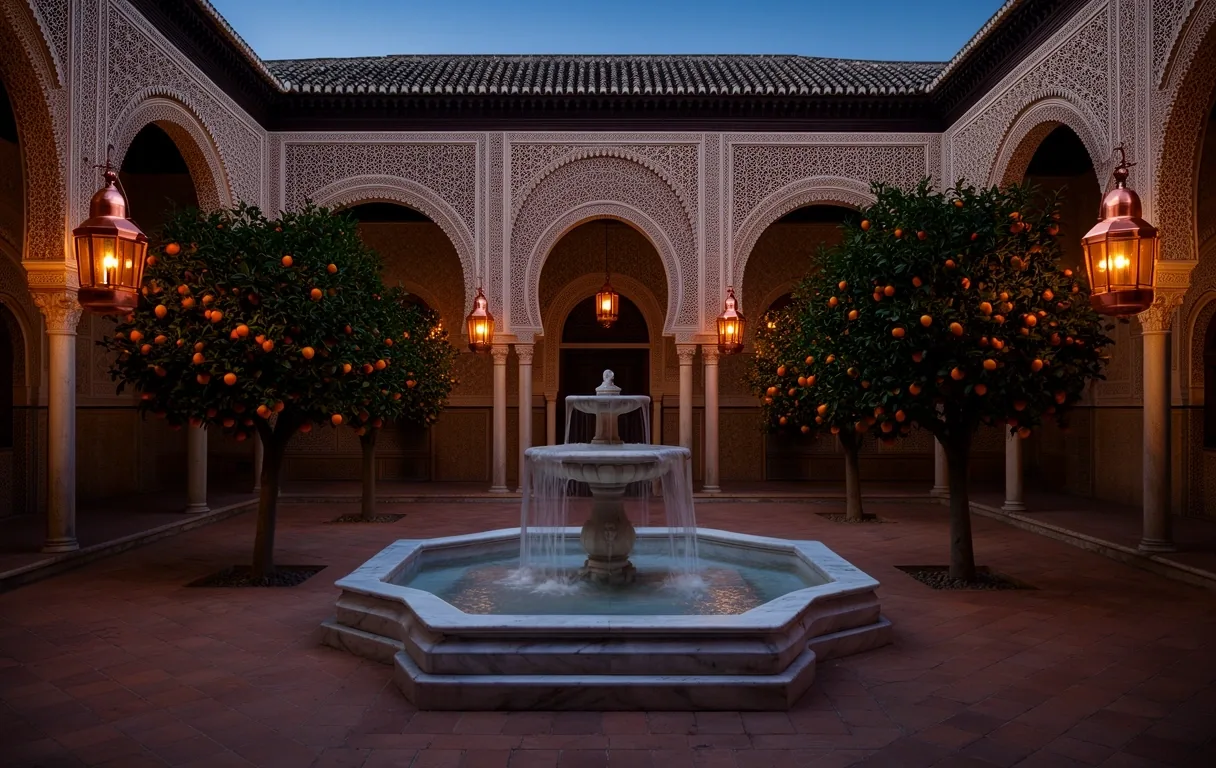
The Moorish Influence in Southern Spain
The history of Seville is inextricably linked to the Al-Andalus period. During this time, advanced botanical knowledge and bathing rituals were introduced to the region, forever altering the Iberian approach to male wellness.
We examine how these North African influences shaped the local understanding of hygiene, herbalism, and physical maintenance. The integration of irrigation systems allowed for the cultivation of exotic herbs and citrus fruits, which became staples in the traditional male diet.
The 'Hammam' or bathing culture was not merely for cleanliness; it was a ritual of detoxification and social bonding, creating a unique synthesis of European and Arabic wellness traditions that persists in the quiet corners of Andalusia today.
Explore Regional HistoryNordic Resilience and Heat Cycles
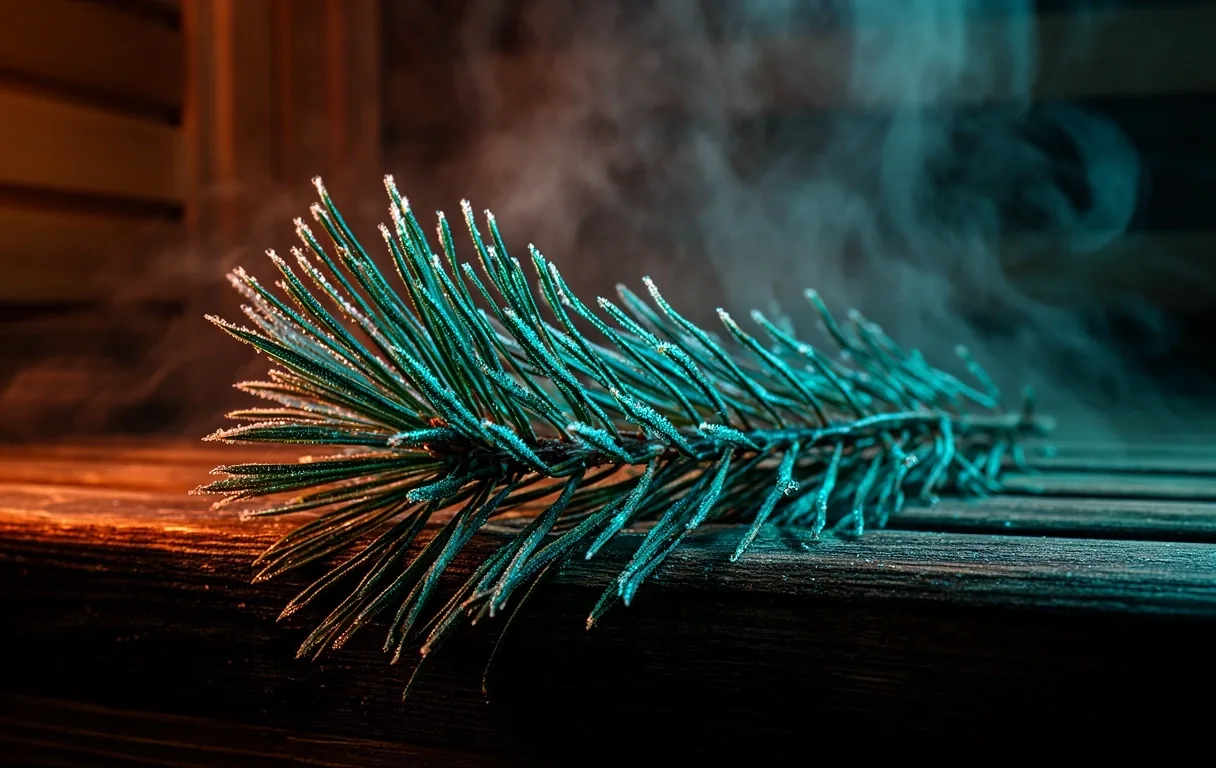
In the far north, the sauna tradition represents a cornerstone of male vitality. The cycle of extreme heat followed by cold plunging was used to build cardiovascular strength and mental toughness.
We compare these northern methods with the sun-drenched practices of the south, finding surprising similarities in how men used temperature to forge their stamina and sharpen their senses against a harsh environment.
East Asian Internal Energy
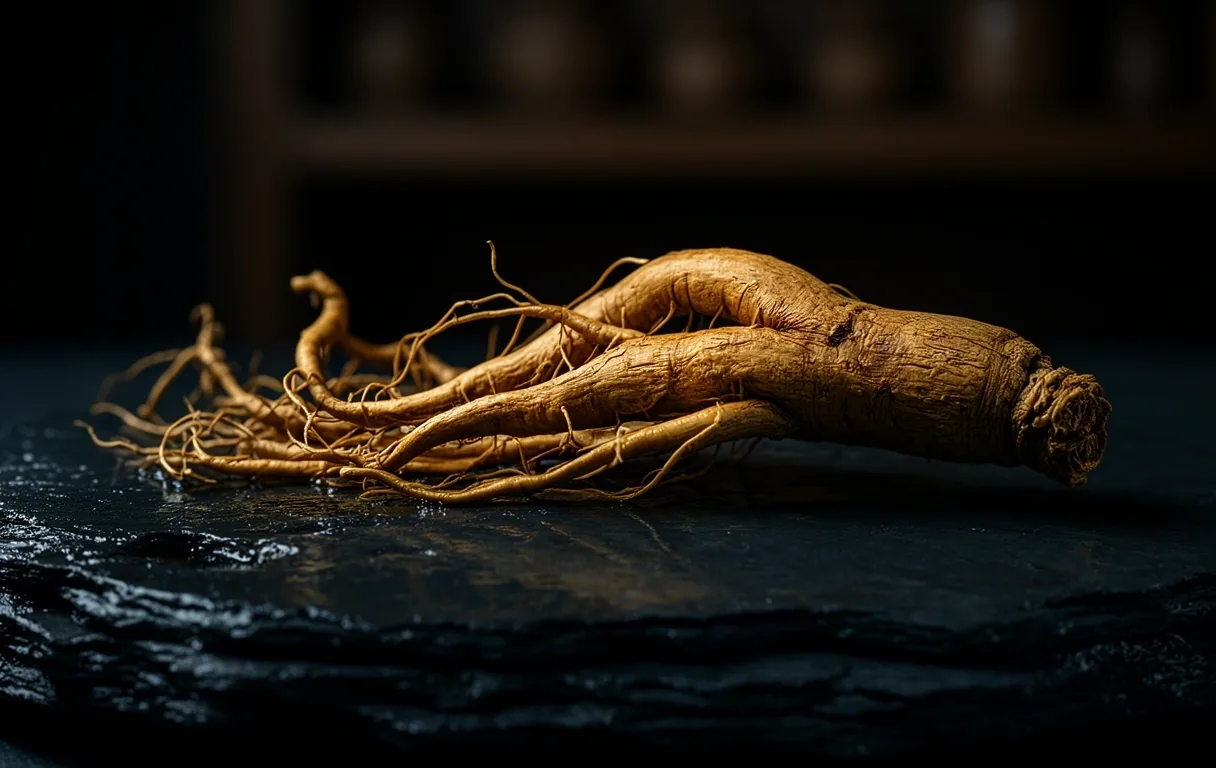
Traditional Chinese and Japanese folk methods often focused on the cultivation of "Qi" or internal energy through slow movement and specific dietary inclusions like ginseng and fermented soy.
These Eastern perspectives on male vigor emphasize longevity and the preservation of energy over the brute force often prized in the West, viewing the body as a garden to be tended rather than a machine to be driven.
The Warrior Cultures of Africa
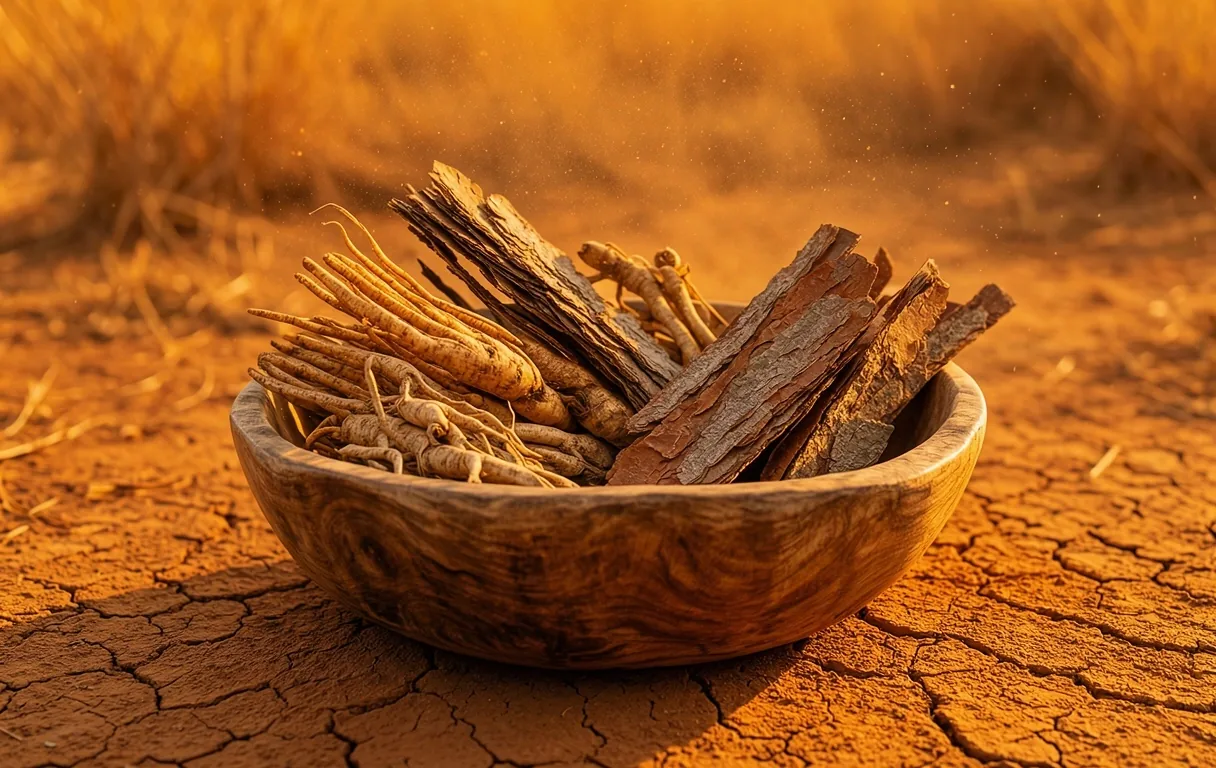
Many African folk traditions utilize specific barks and roots to support male stamina, often integrated into ritualistic diets. We explore the role of communal dancing and endurance hunting as the primary "training" methods.
These traditions emphasize the role of the group in maintaining individual vigor. Vigor is not a solo pursuit but a contribution to the resilience of the tribe, sustained through songs, rhythms, and the shared consumption of potent forest botanicals.
The High-Altitude Secrets of the Andes
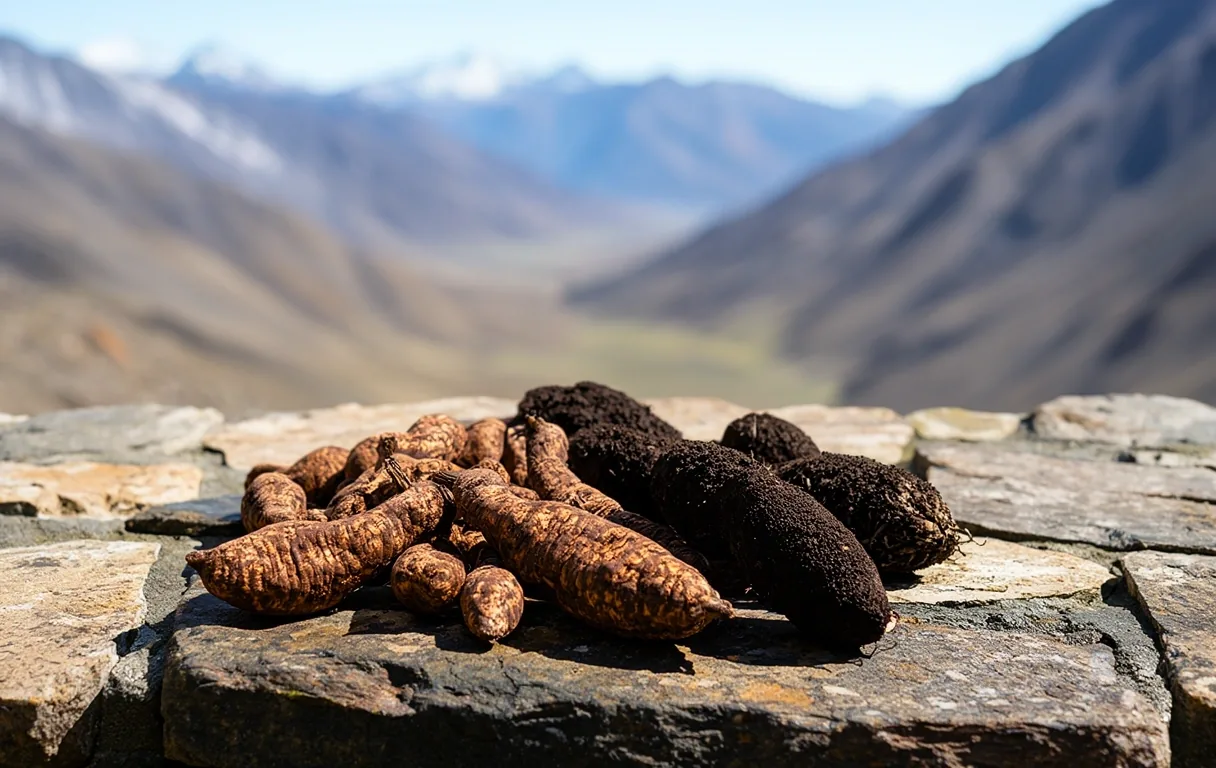
In South America, traditional male wellness is focused on adaptation to thin air and harsh conditions. The use of specific tubers and leaves, combined with mountain trekking, created a unique form of respiratory endurance.
We document these high-altitude habits and what they teach us about human adaptability. The resilience of the Andean man is forged in the struggle against gravity and oxygen scarcity, supported by a diet rich in mineral-dense mountain crops.

Celtic Herbalism and Forest Vigor
The ancient tribes of Europe relied heavily on the forest for their wellbeing. Oak bark, pine needles, and woodland berries were the staples of their folk cabinet.
We examine the Celtic connection to the wilderness and how a life lived among the trees contributed to a rugged form of male vitality that is often missing from urban life today.
The Island Traditions of Polynesia
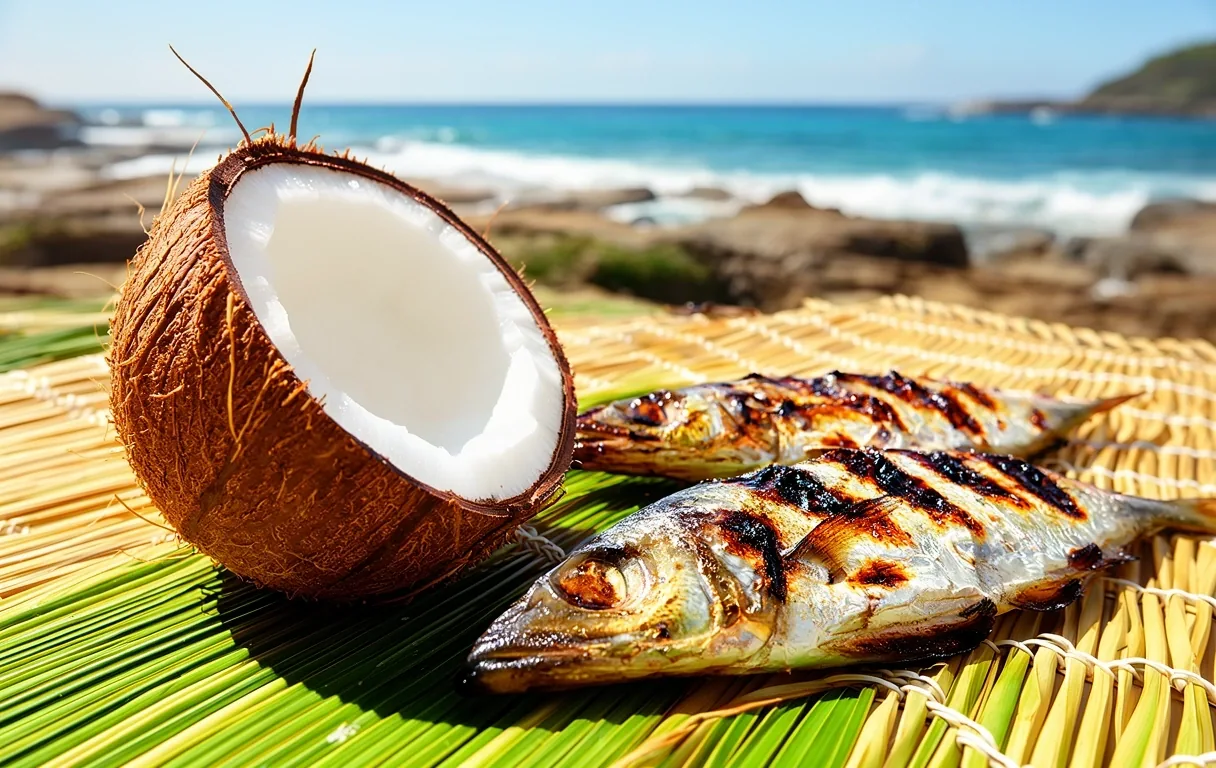
Polynesian folk methods for men were centered around the ocean. Navigation, swimming, and a diet rich in seafood and coconut provided a specific type of functional strength.
We explore the importance of the sea in these cultures and how it served as both a gym and a pantry for the traditional male, forging bodies that were as fluid and powerful as the tides themselves.
Cross-Cultural Commonalities
Pure Hydration
Whether from an Andean spring or a Nordic well, almost all traditional cultures agree on the absolute importance of clean, mineralized water as the baseline for vigor.
Functional Motion
Traditional vigor was never static. It was built through meaningful movement—hunting, rowing, dancing, or trekking—that integrated the whole body into the environment.
Botanical Synergy
Every culture identified specific plants that acted as allies for male stamina. From forest barks to mountain leaves, these are the universal heritage of the human man.
"These universal truths provide a global perspective on what it means to be a vital man, reconnecting us with a heritage that transcends modern borders."